
How Does the Asylum Appeal Process Work in the United States?
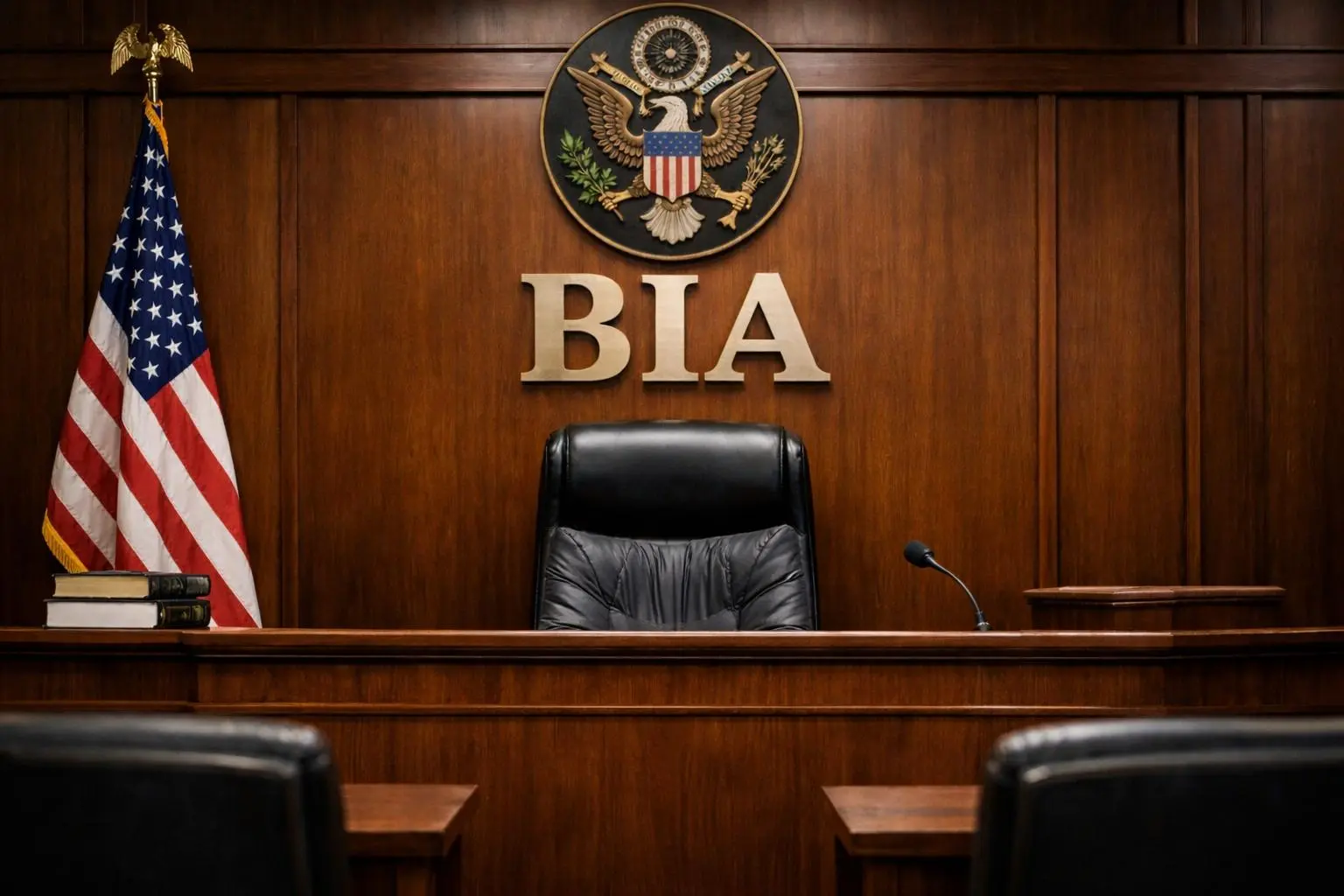
An asylum denial does not necessarily mean you have exhausted your legal options. If an immigration judge denied your application, you may be able to ask the Board of Immigration Appeals (BIA) to review the decision. An appeal addresses legal or factual errors the judge may have made when reviewing your case.
After a denial, the most important step is to review both the reasons for the decision and the filing deadline. Preparing an effective appeal requires identifying what went wrong and supporting your arguments with the case record.
Not Every Asylum Denial Leads to the Same Process
First, identify which agency issued the decision. Having your case referred to immigration court by U.S. Citizenship and Immigration Services (USCIS) is different from having an immigration judge deny your asylum application. Following a referral, a judge may consider your application. The BIA appeal discussed in this article concerns the stage after an immigration judge issues a decision.
It also matters which requests the judge decided. In addition to asylum, your case may include requests for withholding of removal or protection under the Convention Against Torture (CAT). An asylum denial does not necessarily mean these other forms of protection were also denied. The entire decision should therefore be reviewed.
How Long Do You Have to Appeal to the BIA?
The general filing deadline is 30 calendar days. The deadline is calculated from the date the judge issues an oral decision or mails a written decision. Reading the decision later or waiting to speak with an attorney does not automatically restart the clock.
The critical point is that the BIA must receive the appeal on time. Mailing it or handing it to a courier on the final day may not be enough. The same general deadline applies to people in detention. Giving an appeal to a detention facility’s mailroom before the deadline does not, by itself, make the filing timely.
It is also important to reserve your right to appeal when the judge announces the decision. Saying you want to appeal does not complete the filing; the required form must still be submitted. Waiving your right to appeal can make the judge’s decision final.
What Does the BIA Review?
The BIA generally reviews the court record and written legal arguments. The process does not ordinarily involve a new asylum hearing where you tell your story again and witnesses testify from the beginning.
There are two important types of review:
Factual findings: The judge’s findings about what happened and whether testimony was credible are reviewed under the clearly erroneous standard.
Legal conclusions: Questions such as whether the judge applied the correct legal rule receive de novo review. This means the BIA reviews those legal questions independently, without being bound by the judge’s interpretation.
This distinction directly affects how an appeal should be prepared. Rather than simply stating that your account was truthful, the appeal should explain which finding conflicts with the record or which legal rule the judge applied incorrectly.
What Errors Can Be Raised on Appeal?
The grounds for appeal vary from case to case, but the following questions may be important:
Did the judge fail to consider a document that could have affected the decision?
Do statements described as inconsistent actually appear that way in the hearing record?
Did the judge apply an incorrect legal standard when evaluating asylum eligibility?
Did an interpretation problem or an issue with how the hearing was conducted affect the applicant’s ability to present their case?
Each argument should be supported by specific parts of the record. The appeal should clearly identify the error and explain why it matters to the decision. The BIA’s briefing guidance also calls for arguments to be supported by case records, relevant legal authorities, and hearing transcript references when appropriate.
For example, a judge may state that an applicant gave different dates for the same event. If the hearing record shows that the difference resulted from an interpretation error, the appeal can identify that passage and explain how it affected the credibility finding. Whether the issue could change the outcome depends on the case as a whole.
How Do You File a BIA Appeal?
The process begins by submitting Form EOIR-26, Notice of Appeal, directly to the BIA. Sending the appeal to USCIS or to the immigration court that issued the decision does not count as filing it with the BIA.
The form should clearly identify the decision being appealed and the reasons for the appeal. A general statement such as “I disagree with the decision” may lead to summary dismissal, meaning the BIA dismisses the appeal without reviewing its merits.
The filing should also be checked for payment or fee waiver documents, required signatures, and service on the opposing party. Procedural problems, such as missing proof of service, can cause the filing to be rejected.
An appeal brief may also need to be submitted according to the BIA’s briefing schedule. This document develops the legal arguments and references to the case record in greater detail. If you indicate on the form that you will submit a brief but then fail to file it on time or explain the failure, the appeal may be dismissed. The initial appeal deadline and the later brief deadline are separate.
Can You Be Removed While Your Appeal Is Pending?
When an immigration judge issues a decision on the merits of a case, and the right to appeal has not been waived, enforcement of the removal order is generally paused during the 30-day appeal period. If an appeal on the merits is filed on time, that protection continues until the BIA decides the case. This is called an automatic stay.
This rule does not apply to every type of filing. Motions to reopen and certain appeals from their denial do not provide the same protection. Whether removal is paused depends on the type of decision being challenged.
A stay of removal does not automatically mean release from detention. Detention and eligibility for release on bond require a separate evaluation.
What Happens if New Evidence Becomes Available?
A document obtained after the denial or a significant development in your home country may be relevant to your case. Because the BIA generally reviews evidence admitted in immigration court, simply attaching a new document to the appeal may not be enough.
A motion to remand may be appropriate to ask that the case be sent back to the immigration judge for consideration of new evidence. Whether this request is suitable depends on the information and the stage of the proceedings. Presenting new evidence and challenging an error in the existing decision may require different legal arguments.
What Options Remain if the BIA Denies the Appeal?
An unfavorable BIA decision may leave some applicants with the option of seeking review in federal court. This involves filing a petition for review with the appropriate U.S. Court of Appeals.
The general deadline is 30 days from the date of the final removal order. Which issues the court can review and which decision starts the filing period require a separate assessment. Filing a petition for review does not automatically stop removal; a separate request for a stay may be necessary.
If the BIA issues an unfavorable decision, it is important to review the next steps promptly.
Frequently Asked Questions
How much does a BIA appeal cost?
As of November 16, 2026, the filing fee for this type of appeal from an immigration judge’s decision using Form EOIR-26 is $1,060. People who cannot afford the fee may request a fee waiver using Form EOIR-26A, if eligible. The current fee and waiver requirements should be checked before filing.
Are there any options if I miss the appeal deadline?
A late appeal may be accepted in limited circumstances. You may need to show that you acted diligently and that an extraordinary circumstance prevented timely filing. This exception should not be treated as an extension available to everyone.
Can I use the same appeal process if I missed my hearing?
A direct BIA appeal is generally not the proper route for challenging an in absentia removal order, which is an order issued when a person does not attend their hearing. Depending on the case, a motion to reopen may need to be filed with the immigration court that issued the order. Because the grounds and deadlines differ, the type of decision should be identified first.
Let’s Review Your Legal Options After an Asylum Denial
If your asylum application was denied, gather the judge’s decision, a copy of your asylum application, and the evidence you previously submitted for your initial consultation. Include any available hearing records and correspondence with your former attorney. If you do not yet have every document, do not wait for them all to arrive before seeking a review.
At MC Law Firm, we review your denial and case records to help identify the legal options that may be available through a BIA appeal.
Complete the form below or contact us for a free case assessment.
Phone: 201-957-0909
Email: [email protected]
Official sources: USCIS – Asylum; Executive Office for Immigration Review (EOIR).

