
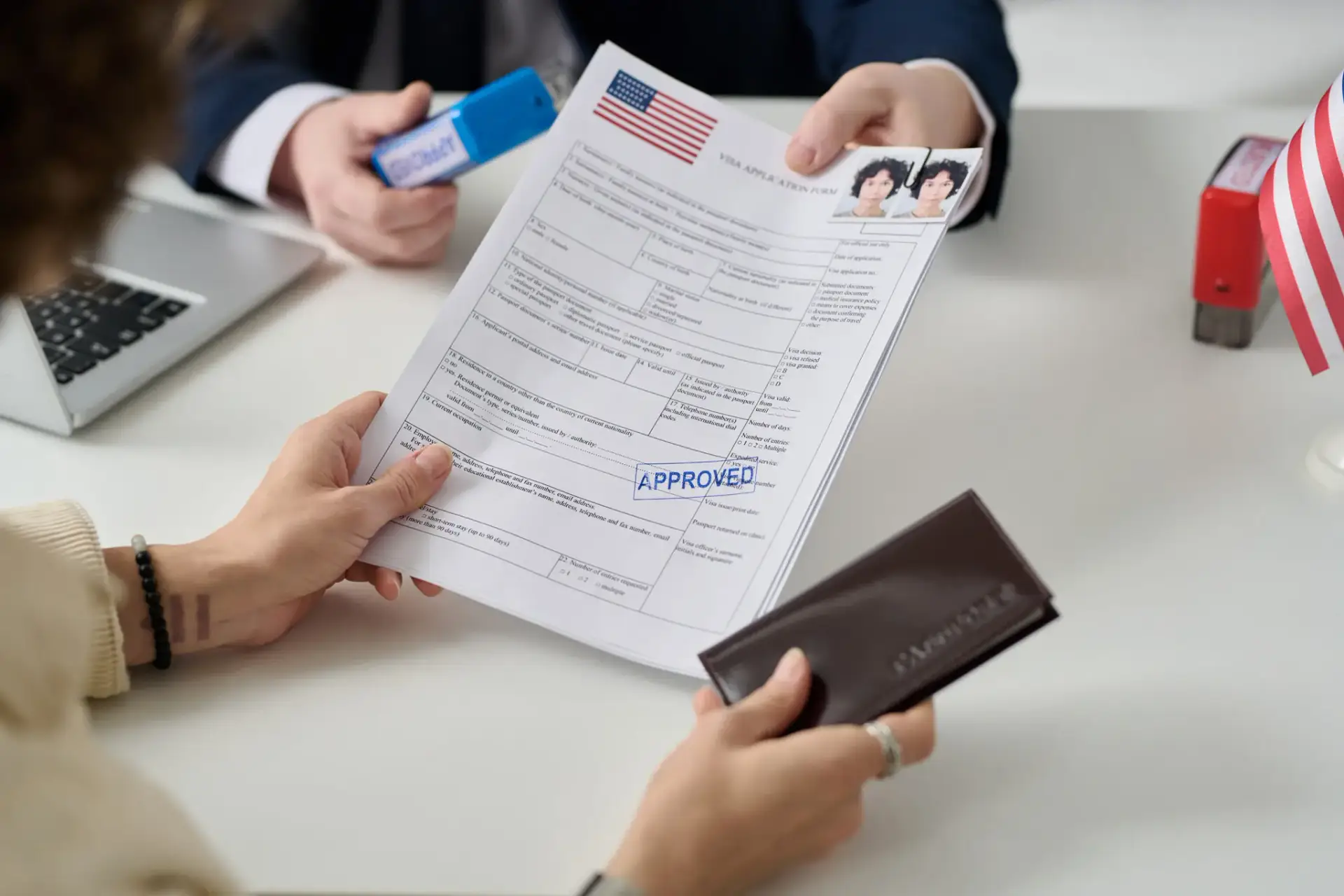
The process of applying for a U.S. nonimmigrant tourist visa (B-2) can often feel complex and time-consuming. The requirements, forms, and steps involved often make it feel overwhelming. However, understanding each stage of the process can significantly simplify your journey. Whether you’re traveling for leisure, medical reasons, or to visit family, the right approach to your visa application can make a significant difference in how smoothly things go.
In this blog post, we’ll break down 8 simple steps that can help you speed up the B-2 visa application process. Following these practical tips, you’ll be better prepared to avoid delays and unnecessary hurdles. Stick to these steps, and you’ll be on your way to getting your visa faster, with a much clearer path ahead.
Understand the Purpose of Your Visa Application
The B-2 visa is specifically designed for individuals seeking to enter the U.S. for tourism, medical treatment, or visiting family and friends. It’s crucial to understand that this visa is not for those looking to work, study, or settle in the U.S.
Clearly defining the purpose of your visit will not only help you fill out your application accurately but also avoid complications during the interview. When your purpose aligns with the B-2 visa guidelines, the process becomes smoother, and you’re more likely to meet the consular officer’s expectations.
Complete the DS-160 Form Accurately
The DS-160 form is an essential part of the U.S. visa application process. It’s an online application where you’ll provide detailed information about your travel plans, background, and personal history.
Taking your time to fill out the form accurately is critical—any errors or inconsistencies could cause delays or even result in a visa denial. Make sure to double-check your responses, especially when it comes to dates, names, and travel information. Since the form is quite detailed, it’s important not to rush. Completing it thoroughly the first time will help keep your application on track.
Pay the Visa Application Fee
Once you’ve completed the DS-160 form, the next step is to pay the non-refundable visa application fee. This fee varies depending on your country of residence, so it’s essential to check the correct amount beforehand. Keep the payment receipt, as you’ll need it for scheduling your visa interview. While paying the fee is a necessary step, it’s important to remember that payment does not guarantee visa approval.
Be prepared for additional fees if your visa is denied and you need to reapply. Ensuring you’ve paid the correct fee and kept proof of payment will keep your application process moving smoothly.
Schedule Your Visa Interview Early
Scheduling your visa interview as soon as possible is crucial. Visa interviews are required for most applicants aged 14 to 79, and availability can fill up quickly, especially during busy seasons. Be sure to check your local U.S. Embassy or Consulate’s website for available appointment dates.
If there are no available slots in your city, you might need to travel to another location to complete the interview. The earlier you book your appointment, the better chance you have of securing a time that works with your travel plans. Remember, preparing early helps avoid any last-minute stress or delays.
Gather All Required Supporting Documents
When applying for a U.S. nonimmigrant tourist visa, gathering the right supporting documents is essential to show the legitimacy of your trip and your intent to return home. These documents may include things like proof of financial stability, employment verification, and a detailed travel itinerary. You may also need an invitation letter from family or friends in the U.S. to further support your application.
Having these documents well-organized and ready for your interview can make the process much smoother. Keep in mind that the more prepared you are, the easier it will be to demonstrate your credibility and intent to follow the visa’s terms.
Prove Your Intent to Return with Strong Ties
One of the key factors in getting your U.S. nonimmigrant tourist visa approved is proving that you have strong ties to your home country. These ties show that you are likely to return home after your visit to the U.S. Strong ties can include a stable job, family responsibilities, property ownership, or even enrollment in an educational program.
During your interview, the consular officer will carefully evaluate these ties to ensure that you do not plan to overstay your visa. Be ready to explain and provide documentation of these ties, as they will play a significant role in the decision-making process.
Prepare for the Visa Interview
The visa interview is a critical part of the application process. To make a good impression and increase your chances of success, you need to be well-prepared. Review common interview questions and be ready to discuss your travel plans, employment, and ties to your home country. The key is to stay calm, confident, and honest throughout the interview.
Remember, the consular officer is simply trying to assess your intentions and ensure you meet the requirements. Practicing your answers and remaining focused can help you navigate this step smoothly.
Understand Visa Processing Times
Visa processing times can vary significantly depending on where you are applying from and the time of year. It’s crucial to plan ahead and submit your application as early as possible. Waiting until the last minute can lead to unnecessary stress and possible delays.
Make sure to check the estimated processing times for your U.S. embassy or consulate and factor that into your travel plans. Early submission will give you enough time to handle any unexpected issues and ensure your visa arrives on time for your trip.
If your visa is approved, it’s essential to be aware of what is expected of you as a visa holder. While the visa allows you to enter the U.S., the final decision on your entry will be made by Customs and Border Protection (CBP) at the port of entry. It’s important to comply with all the terms of your visa, such as the duration of your stay, to avoid any issues in the future.
By considering these key steps and preparing thoroughly, you’ll significantly increase your chances of a successful visa application and a smooth experience in the United States.

